
What Are the Early Warning Signs of a Full Septic Tank?
Slow drains are usually the first thing homeowners in Lynwood notice, especially in showers and low sinks that sit close to the tank's drain line. Gurgling sounds after a flush mean air is trapped where it shouldn't be. Standing water or a soggy patch over the leach field, even in dry weather, points to a tank that can't absorb more liquid. A sewage odor near the tank lid or drain field is another sign, and it tends to get stronger after heavy household water use. None of these are conclusive by themselves, but two or more together usually mean it's time to schedule septic pumping service rather than wait. If you're not sure how urgent it is, septic tank cleaning crews can check tank levels on the same visit. Homeowners a short drive away in Bell, 6.4 miles north of Lynwood, deal with the same clay-heavy soil conditions that slow drainage and mask early symptoms until they're harder to ignore.
Why Is My Yard Suddenly Greener Over the Septic Tank?
A patch of unusually lush, dark green grass over the tank or drain field is a warning sign, not a bonus. It means the tank is leaking nutrient-rich effluent into the soil instead of holding it for proper treatment. This is often paired with soft or spongy ground underfoot, which suggests the field is oversaturated. Left alone, this can turn into surfacing wastewater, which is a health hazard for kids, pets and anyone doing yard work. It's worth checking septic tank warning signs against your own yard each season, since Lynwood's rainy stretches can either mask or intensify the problem depending on how saturated the field already is. If the tank is old or was undersized for the household from the start, this greening effect tends to come back faster after each pumping, which is a sign to talk about a larger tank or a holding tank rental as a stopgap during repairs.
How Do I Know If It's the Tank or the Drain Field?
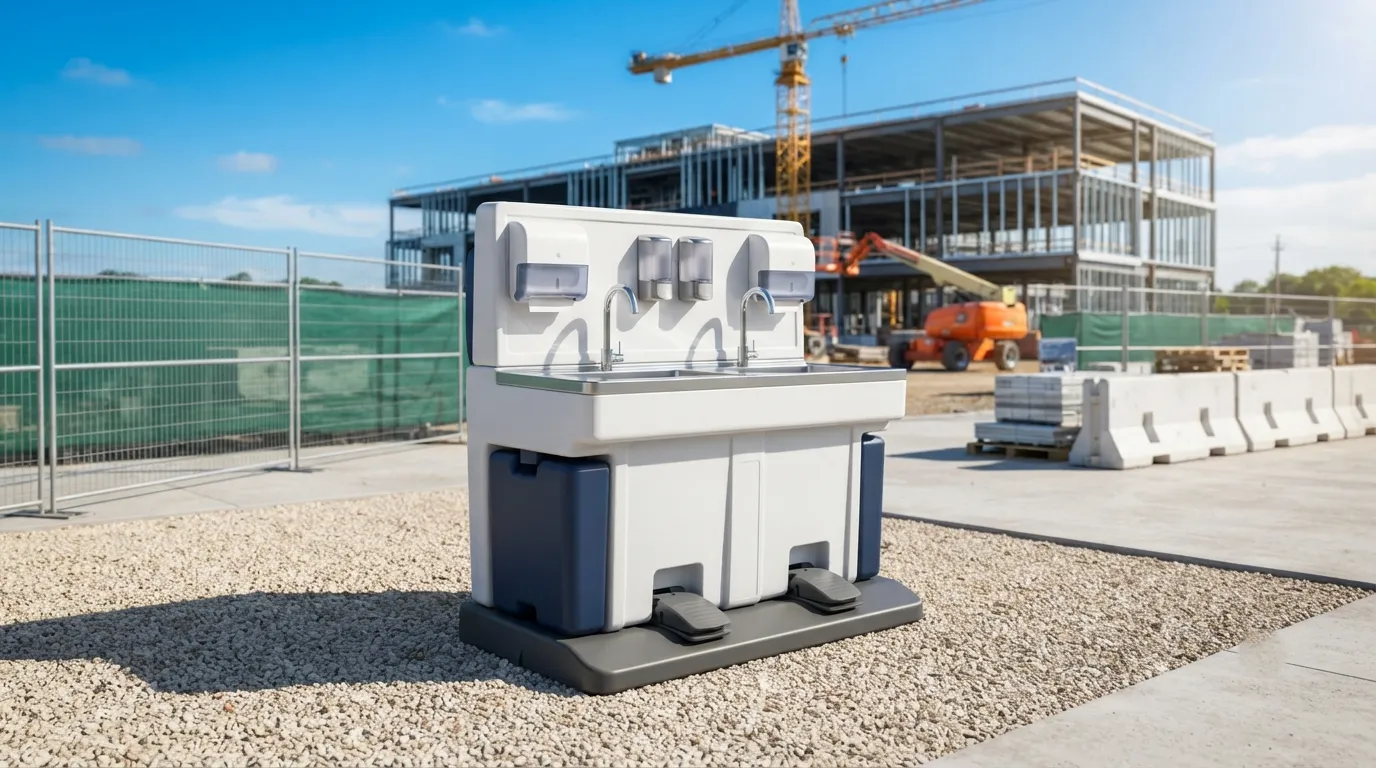
Multiple slow drains across the house, especially on the lowest level, usually point to the tank rather than one clogged pipe. If only one fixture backs up, that's more likely a local blockage, not a septic issue. A drain field problem shows up as pooling water, odor, or unusually spongy soil specifically over the field lines, not near the tank lid itself. Commercial kitchens have a related but separate issue: grease buildup. A grease interceptor is pumped once fats, oils, grease and solids reach 25 percent of the liquid depth, and that's a completely different service than a residential tank pumping. If you run a restaurant or food truck operation in Lynwood, grease trap pumping needs its own schedule, separate from the household tank. For general sanitation questions unrelated to septic systems, OSHA 1926.51(c) sets toilet facility ratios for job sites, which matters if you're running a construction crew alongside a septic repair.
When Should I Call for Emergency Septic Service?
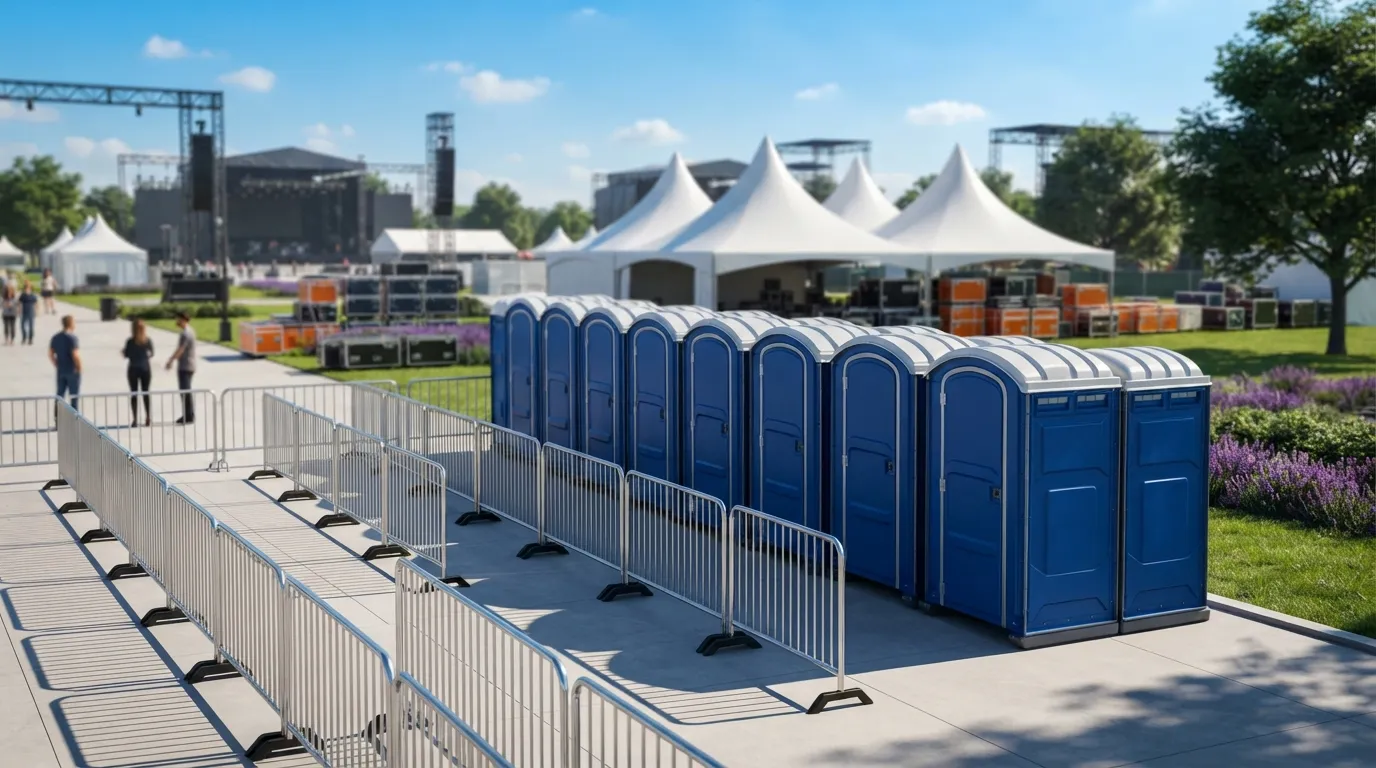
Call immediately if sewage backs up into the house, if the yard has standing wastewater, or if multiple drains stop working at once. These aren't wait-and-see situations. Emergency septic service crews can usually get a truck out faster than a standard appointment, which matters when the alternative is sewage in a living space. If the system fails during an event or a family gathering, a holding tank rental or a quick portable restroom rental can keep a household running while the tank gets pumped or repaired. Renovation projects that disturb the yard or drain field lines should plan ahead rather than react, and pairing that work with home renovation porta potty service avoids a bathroom crisis mid-project. East Rancho Dominguez, just 2.6 miles south of Lynwood, and Cudahy, 4.3 miles north, share similar older housing stock where original septic systems are more likely to be undersized for current household sizes.
Pumping Frequency by Household Size
| Household size | Typical pumping interval | Notes |
|---|---|---|
| 1-2 people | Closer to 5 years | Lower daily water use |
| 3-4 people | Every 3 to 4 years | Standard residential range |
| 5+ people | Closer to 3 years | Higher tank load, faster fill |
Ranges come from the standard 3 to 5 year window tied to tank size and household size, not a fixed schedule. For septic pumping day rates and what affects the quote, septic tank pumping cost breaks down the pricing bands used across Lynwood jobs. For a broader answer to timing questions, how often to pump a septic tank covers the same ground in more depth.
How much does it cost to pump a septic tank in Lynwood?
Day rate septic pumping typically runs in the 150 to 300 dollar range depending on tank size and access. Weekend service costs less per visit but is a narrower service window, usually 50 to 150 dollars. See septic tank pumping cost for the full breakdown.
Can I pump my own septic tank?
No. Septic pumping requires a vacuum truck and proper disposal at a licensed facility. DIY attempts risk contaminating groundwater and violating local waste rules. Always use a licensed service like septic pumping service instead.
Do septic tank warning signs mean I need a new tank?
Not always. Many warning signs point to an overdue pumping rather than tank failure. A cleaning and inspection through septic tank cleaning usually clarifies whether it's a pumping issue or a structural one.
Is a bad smell always a septic problem?
Not always, but a persistent sewage smell near the tank or drain field is a strong indicator. Combine it with slow drains or wet spots before assuming the worst, and schedule an inspection to confirm.
What should I do if my septic system fails during an event?
Rent a temporary solution immediately. A holding tank rental or event restroom rental keeps guests covered while the main system gets pumped or repaired without disrupting the event.
Next step
Get a delivery date
Tell us the address, the dates and the headcount. We size the order and confirm the route.