
How Often Does a Septic Tank Need Cleaning?
Three to five years covers most Lynwood homes, but the honest answer depends on how many people live there and how big the tank is. A two-person household with a 1,500 gallon tank can stretch past 5 years. A family of six with a smaller tank might need service closer to every 2 years. Garbage disposals add solids fast and shorten that window. If you are unsure which end you are on, septic tank warning signs like slow drains or standing water near the leach field tell you before a backup does. Homes near East Rancho Dominguez, 2.6 miles south of Lynwood, often share the same clay-heavy soil conditions that slow drainage and make pumping schedules matter more, not less. If your system serves a rental or a second unit, log the last pump date. Guessing is how tanks get pumped too late.
What Happens If You Wait Too Long?
Wastewater backs into your home or yard, and the fix costs far more than routine pumping. Solids that never got removed can clog the leach field permanently, and a failed leach field usually means replacing it, not just pumping the tank. That is a different bill entirely. If your system already smells or drains slow, do not wait for the calendar. Septic tank warning signs list what to check today, and emergency septic service exists for exactly this. Lynwood Porta Pros also handles grease trap pumping for restaurants; a grease interceptor gets pumped once fats, oils and solids reach 25 percent of the liquid depth, a different trigger than a residential tank but the same principle: catch it before it backs up.
What Does Septic Pumping Cost in Lynwood?
Straightforward pumping is priced by the visit, not by the tank. Rates run in this range:
| service | duration | typical price range |
|---|---|---|
| septic pumping | day rate | $150 to $300 |
| septic service | weekend rate | $50 to $150 |
See septic tank pumping cost for a fuller breakdown, or septic pumping service to book. If your property does not have a functioning tank yet, a holding tank rental is a temporary option. For general upkeep between pumps, septic tank cleaning covers what a routine visit includes.
Do Construction Sites Need a Different Sanitation Plan?
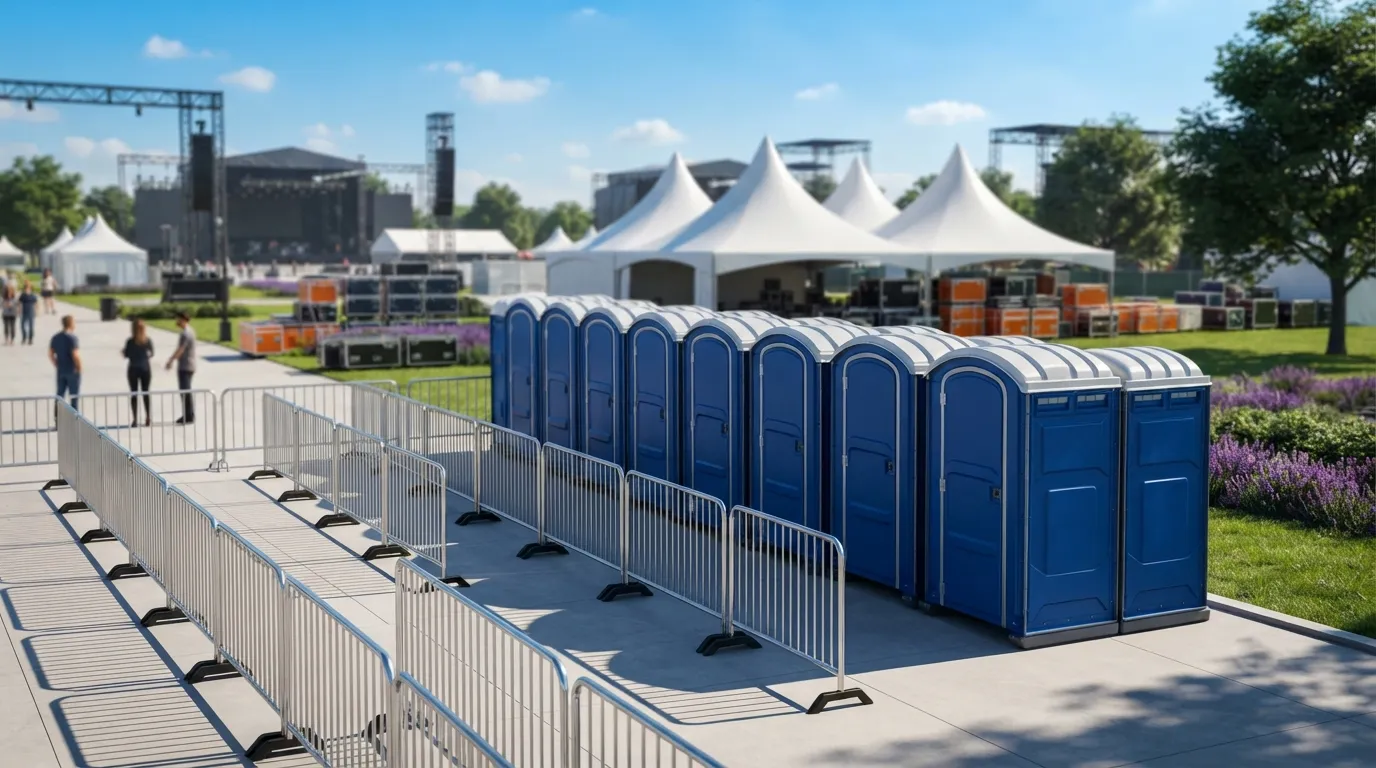
Yes. A residential septic schedule has nothing to do with jobsite sanitation. OSHA 1926.51(c)(1) sets toilet ratios for construction crews: one toilet for 20 workers or fewer, scaling up from there. That is why most active job sites in Lynwood run portable restroom rental or portable toilet rental instead of tying into a septic system at all. A standard porta potty rental unit holds 60 to 70 gallons and gets serviced on a routine schedule, similar in spirit to septic pumping but on a much shorter interval. Crews working near Bell, 6.4 miles north of Lynwood, or Cudahy, 4.3 miles north, use the same setup. If you are planning a jobsite from scratch, how many porta potties do i need walks through the math, and osha portable toilet requirements covers the full ratio table.

FAQ
How do I know if my septic tank is full?
Slow drains, gurgling pipes and standing water near the tank or leach field are the early signs. Bad odor indoors is a later, more urgent one. Check septic tank warning signs for the full list. Once you notice two or more of these, schedule septic pumping service rather than waiting for a full backup.
Does household size change how often I need pumping?
Yes, significantly. A two-person home might go 5 years between services; a household of six with a smaller tank may need pumping every 2 to 3 years. Garbage disposal use also adds solids and shortens the interval. When in doubt, get the tank measured against usage rather than guessing off a calendar date.
Can I pump a septic tank myself?
No. Pumping requires a vacuum truck and proper disposal, and DIY attempts risk damaging the tank or exposing you to raw sewage. Lynwood Porta Pros handles septic pumping service with equipment built for it. Attempting it without that equipment is also how people end up needing emergency septic service.
What is the difference between septic pumping and cleaning?
Pumping removes liquid and floating solids from the tank. Cleaning goes further, agitating and removing sludge from the tank bottom too. Most routine service visits are pumping; full cleaning happens less often. See septic tank cleaning for what each visit actually covers before you book one.
Do commercial properties follow the same 3 to 5 year rule?
Not usually. Restaurants and commercial kitchens often need grease trap service far more often, since interceptors fill based on grease and solid buildup rather than years. Grease trap pumping covers that schedule separately from residential septic tanks, and the two should not be confused when planning maintenance.
Next step
Get a delivery date
Tell us the address, the dates and the headcount. We size the order and confirm the route.